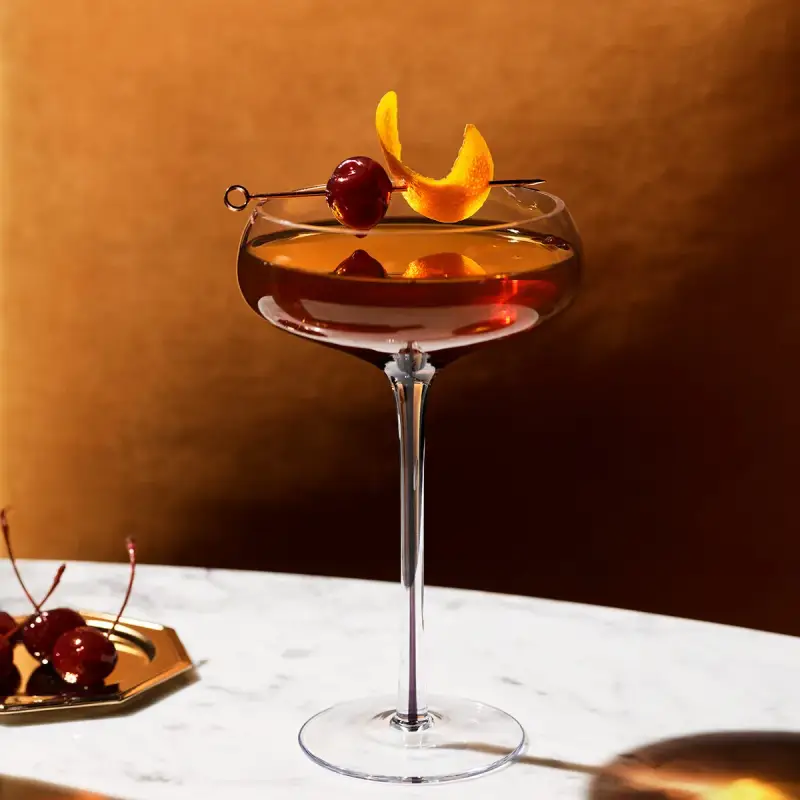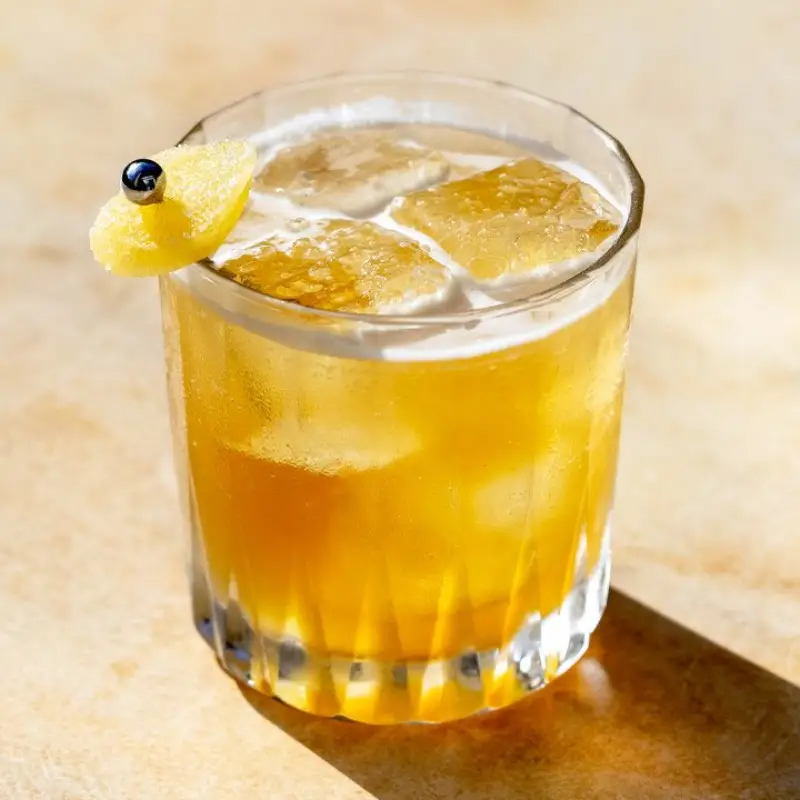
Whisky Highball Recipe
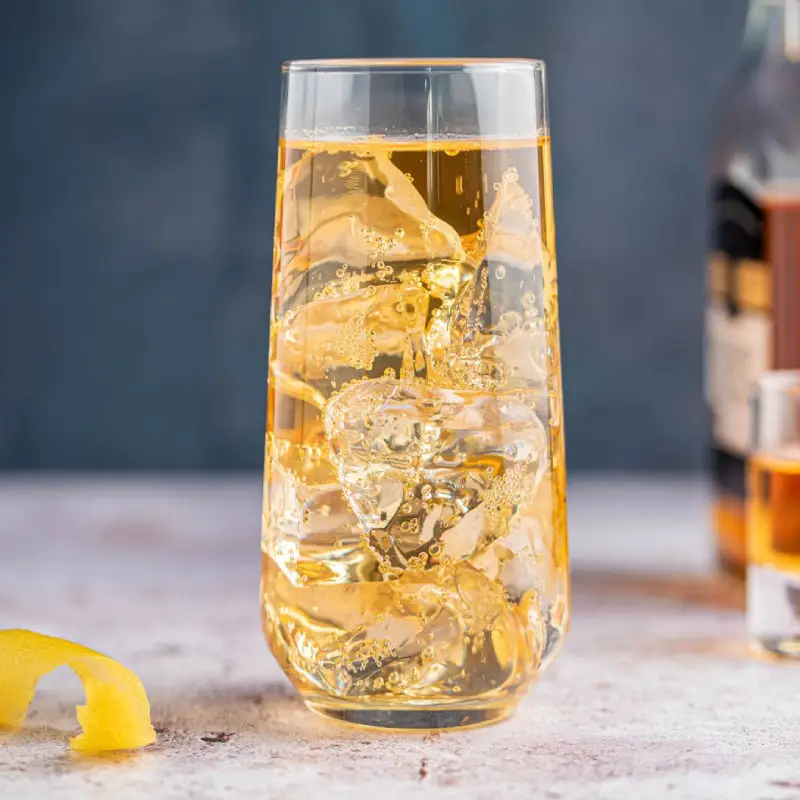
Whisky and very cold soda water over ice.
The Whisky Highball is whisky topped with chilled soda water over ice, usually at a ratio of 1 part whisky to 3 or 4 parts soda. It is light, dry and refreshing, and it is the easiest way to drink whisky with food.
Ingredients
- 45 ml Whisky Blended Scotch, Japanese or Indian whisky
- 150 ml Soda water Very cold and freshly opened
- 1 strip Lemon peel (optional) For the garnish
Garnish: Lemon peel
How to Make a Whisky Highball
- Fill a highball glass to the top with fresh ice and stir to chill the glass. Pour off any water.
- Pour in the whisky and stir a few times to chill it.
- Top up with more ice if needed.
- Pour the soda water gently down the inside of the glass.
- Lift the ice once with a spoon to mix. Do not stir hard.
- Express a lemon peel over the top.
Best Bottles for a Whisky Highball in India
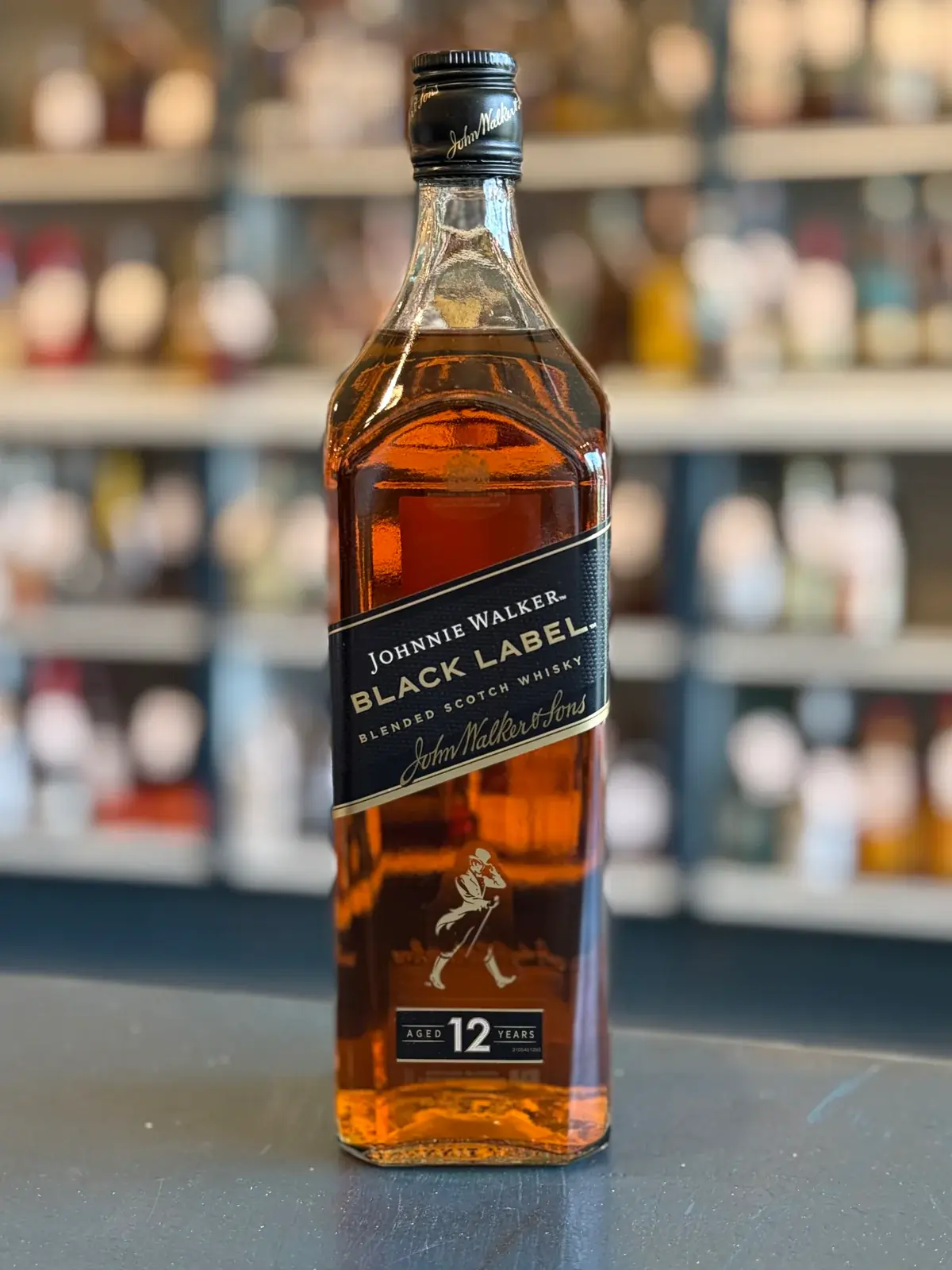
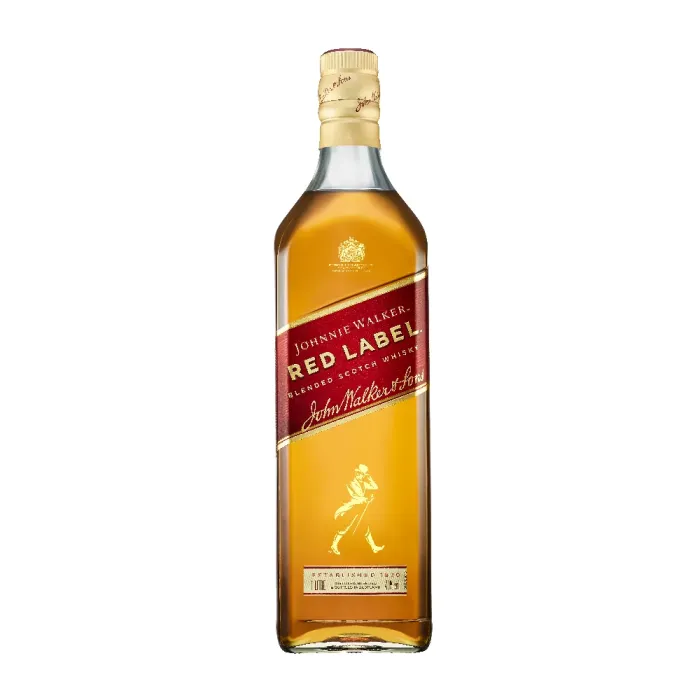
Balanced, with light smoke. A classic highball Scotch
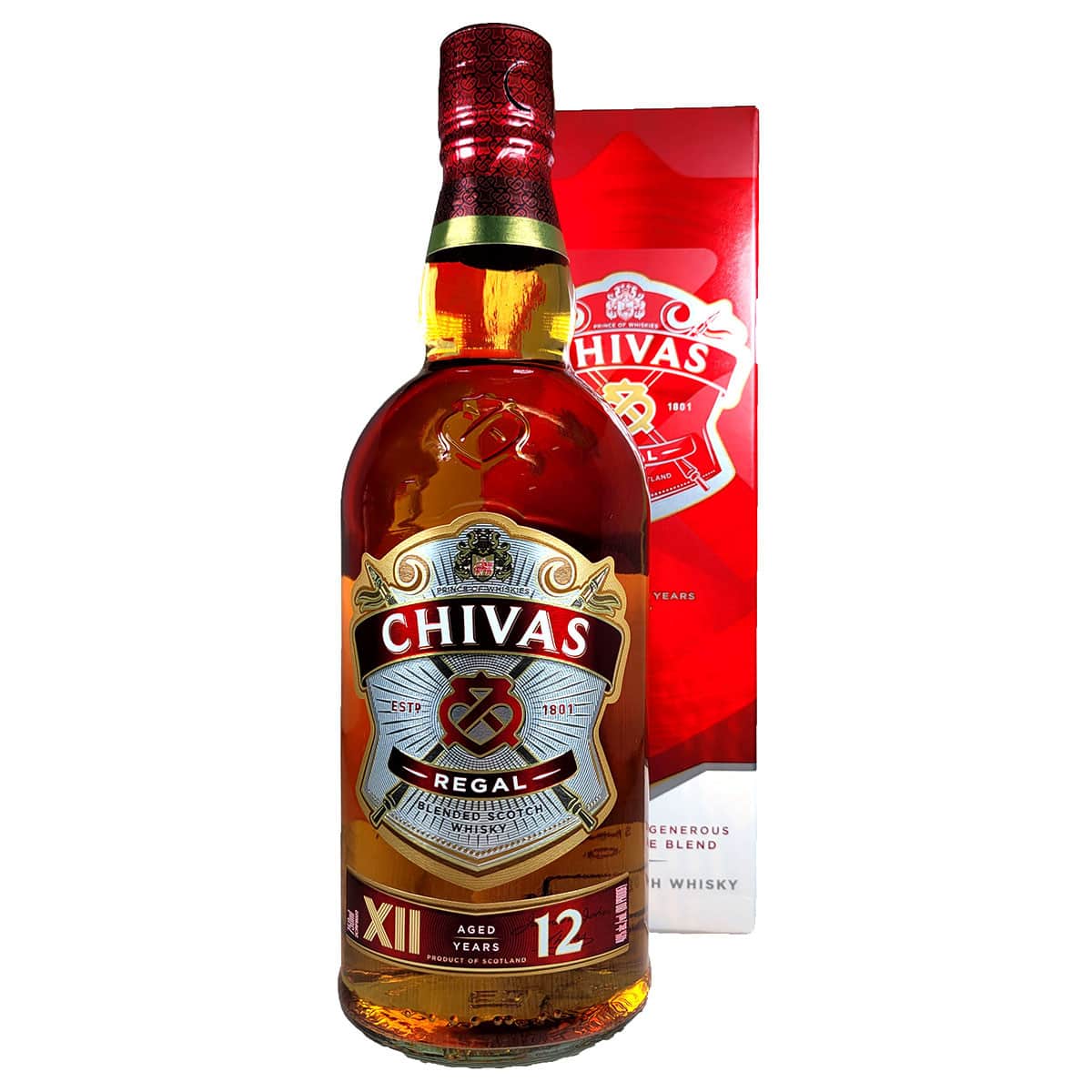
Made for mixing
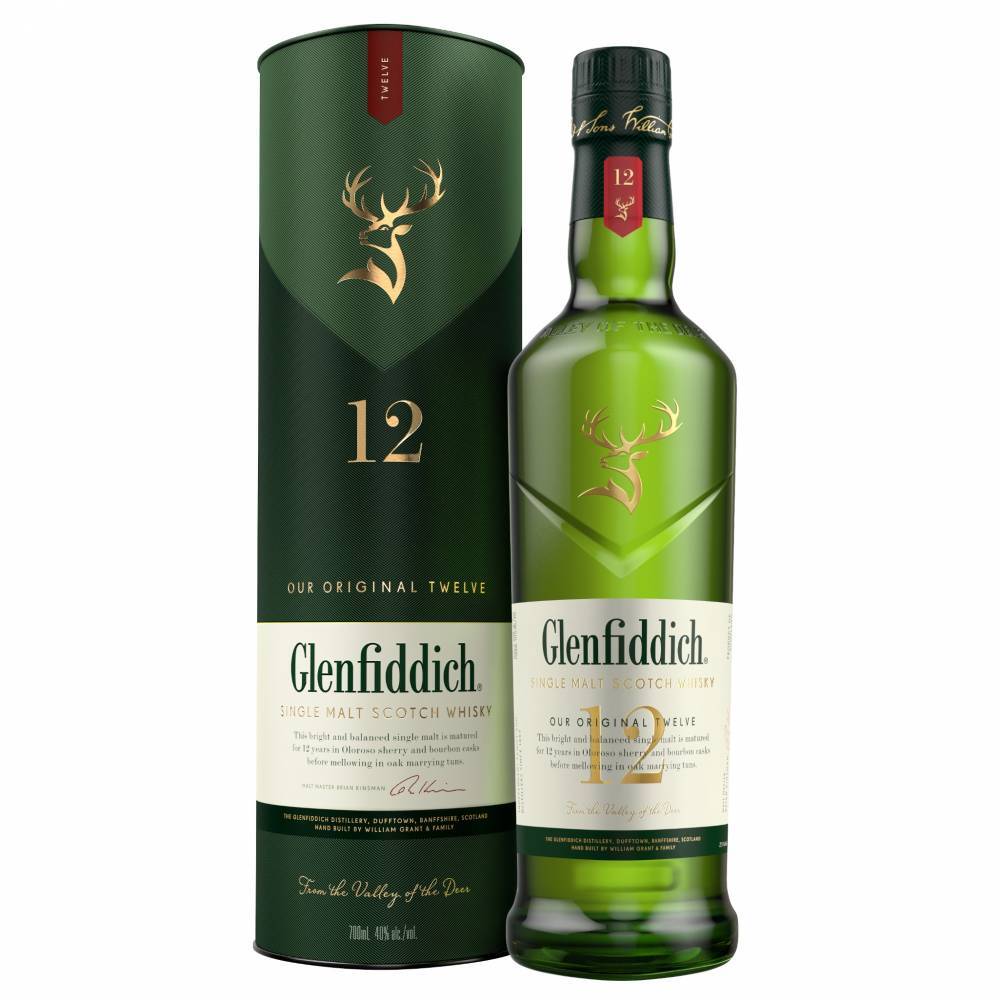
Smooth and honeyed
Pear and apple notes open up with soda
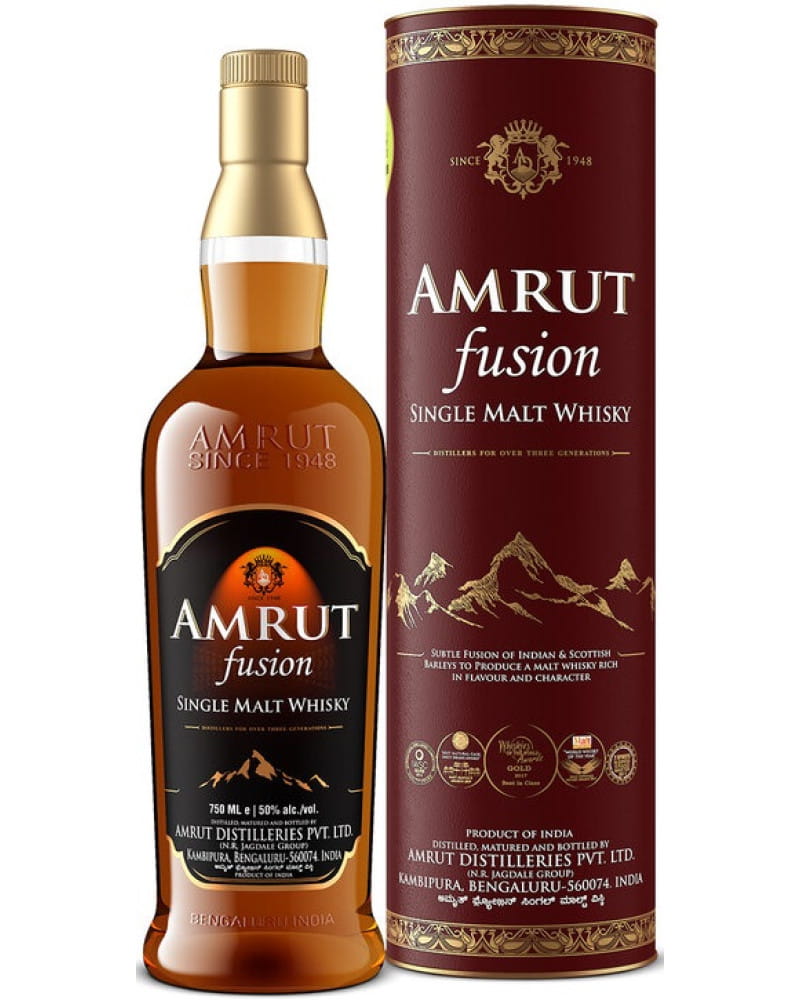
Indian single malt with body
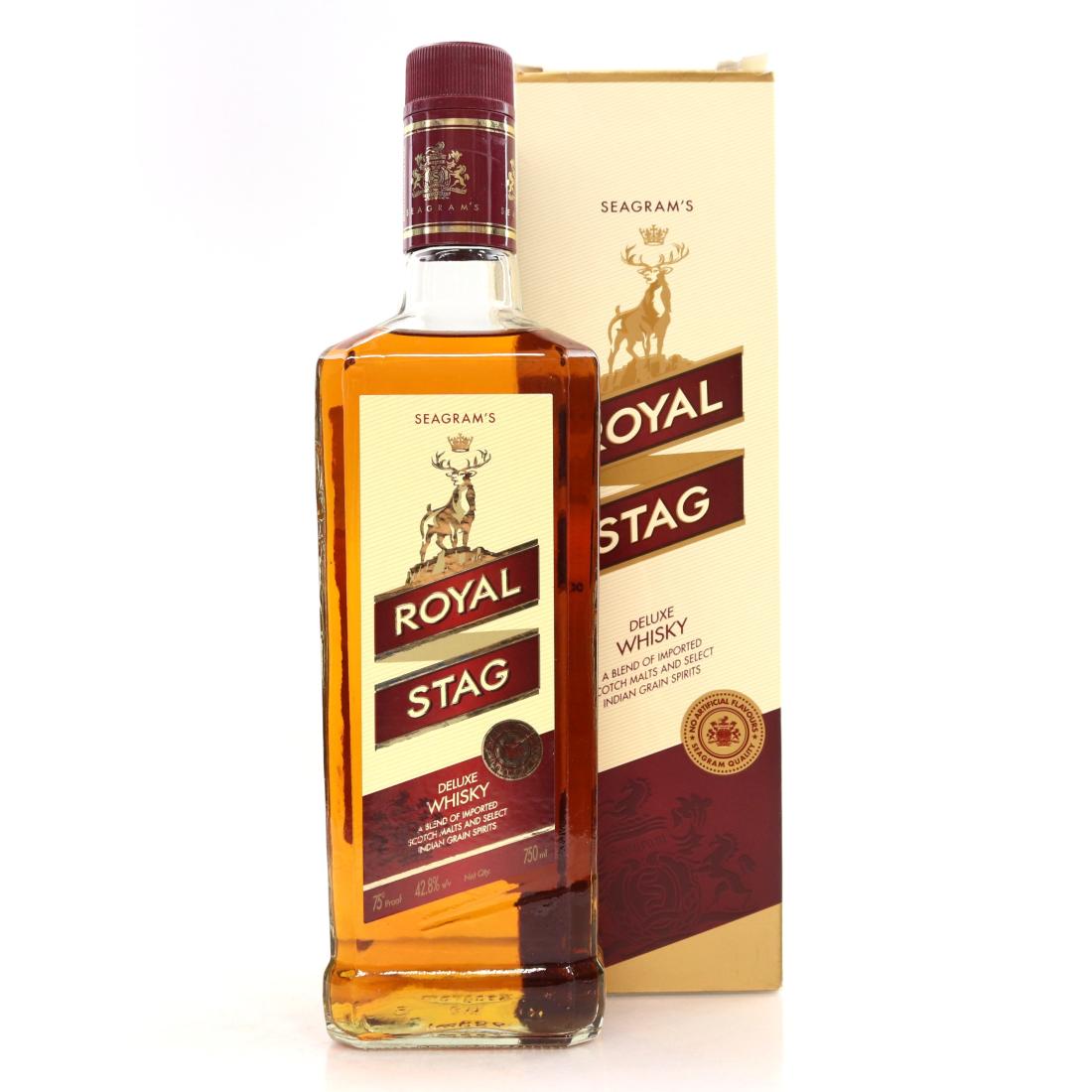
The everyday Indian whisky and soda
Prices are the lowest listed India price and vary by state. Check each spirit page for the full state-wise table.
Tips for a Better Whisky Highball
- Everything should be as cold as possible: glass, whisky, soda and ice. Cold liquid holds more carbonation.
- Pour the soda down the side of the glass, not onto the ice, to keep the bubbles.
- Use a fresh bottle or can of soda. Flat soda makes a flat highball.
About the Whisky Highball
Scotch and soda was a standard order in Britain by the 1890s, once bottled soda water became widely available. The name "highball" is American and appeared around the same time. One explanation links it to a railway signal, a raised ball that told drivers to go at full speed. The New York bartender Patrick Duffy later claimed to have served the first one in the 1890s.
Japan turned the drink into a craft. Whisky and soda with food became popular there in the 1950s, and Suntory relaunched the Kaku Highball in 2008 with frozen mugs, hard clear ice and highly carbonated soda. The campaign revived Japanese whisky sales and created the modern highball bar.
That Japanese style has spread to the United States, the United Kingdom and Australia as drinkers look for lighter, longer serves. In India, whisky and soda has been the default way to drink whisky for generations.
Whisky Highball Variations
- Japanese Highball: Japanese whisky, a 1:4 ratio and a single gentle stir.
- Scotch and Soda: a shorter 1:2 serve in a rocks glass.
- Mizuwari: whisky with still mineral water in place of soda.
- Ginger Highball: ginger ale in place of soda water.
- Smoky Highball: a peated whisky with a lemon twist.
Frequently Asked Questions
What is in a Whisky Highball?
How strong is a Whisky Highball?
What is the best whisky to soda ratio for a highball?
What is the best whisky for a highball?
Is soda water the same as sparkling water or tonic?
What makes a Japanese highball different?
About the Author

Quick Facts
More Cocktails