
Discover
the
World of
Fine Spirits
Prices across India, tasting notes, history and cocktail recipes for 190+ spirits — mapped bottle by bottle.

From grain to glass
Every bottle in this atlas follows the same five-act story. Understanding it is the fastest way to read a label, judge a price, and know why two whiskies from the same country can taste worlds apart.
Harvest & mash
Barley, sugarcane, agave or grapes are milled and mixed with hot water to release fermentable sugars — the raw canvas of every spirit.
Ferment
Yeast converts those sugars into a low-strength "wash" of 6–10% alcohol, creating fruity and spicy compounds that survive all the way to your glass.
Distill
The wash is heated in copper pot or column stills. Alcohol evaporates first and is condensed, concentrating flavour and raising strength.
Mature
Years in oak casks add colour, vanilla, spice and smoothness. In India's warm climate, spirits mature up to three times faster than in Scotland.
Bottle
The spirit is cut with water to bottling strength — usually 40–46% ABV — sometimes filtered, and sealed. From here, it stops ageing.
How to taste like a professional
Four unhurried steps stand between sipping and truly tasting. Use them on any spirit in this encyclopedia and our tasting notes will start making sense.
Look Colour & legs
Tilt the glass against light. Pale straw suggests bourbon casks; deep amber hints at sherry wood. Slow "legs" on the glass signal a richer body.
Nose Aroma
Keep your mouth slightly open and nose the glass gently — most of what we call taste is actually smell. Return two or three times; the aroma evolves.
Palate Taste
Take a small sip and let it coat the whole tongue before swallowing. A drop of water opens up high-strength spirits and softens the alcohol burn.
Finish The aftertaste
Notice what lingers and for how long. A long, evolving finish is the surest mark of a well-made spirit — and what our ratings reward most.
Guides worth reading before you pour
Short, practical explainers from our journal — the vocabulary and science behind every tasting note on this site.

Most Popular Cocktails in the World (2026-27): The Top 10 Ranked
The Negroni leads in the world’s best bars and the Margarita leads with drinkers. Here is the 2026 top 10, the consumer top 5, and what sells in the US, UK and Australia.
Read the guide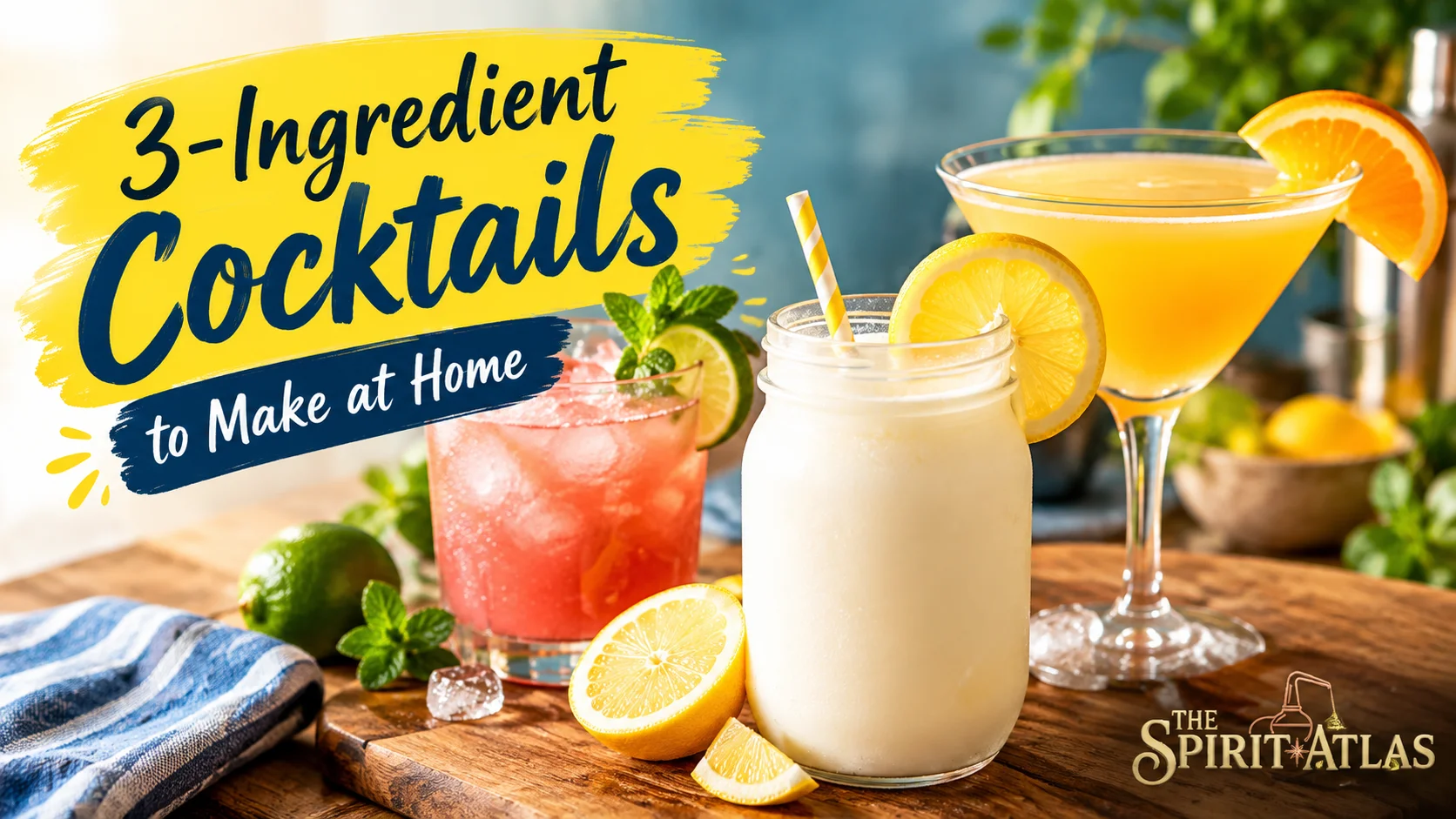
12 Easy 3-Ingredient Cocktails to Make at Home
Twelve classic cocktails that need only three ingredients, with exact measures, the method for each, and the four patterns they all follow.
Read the guide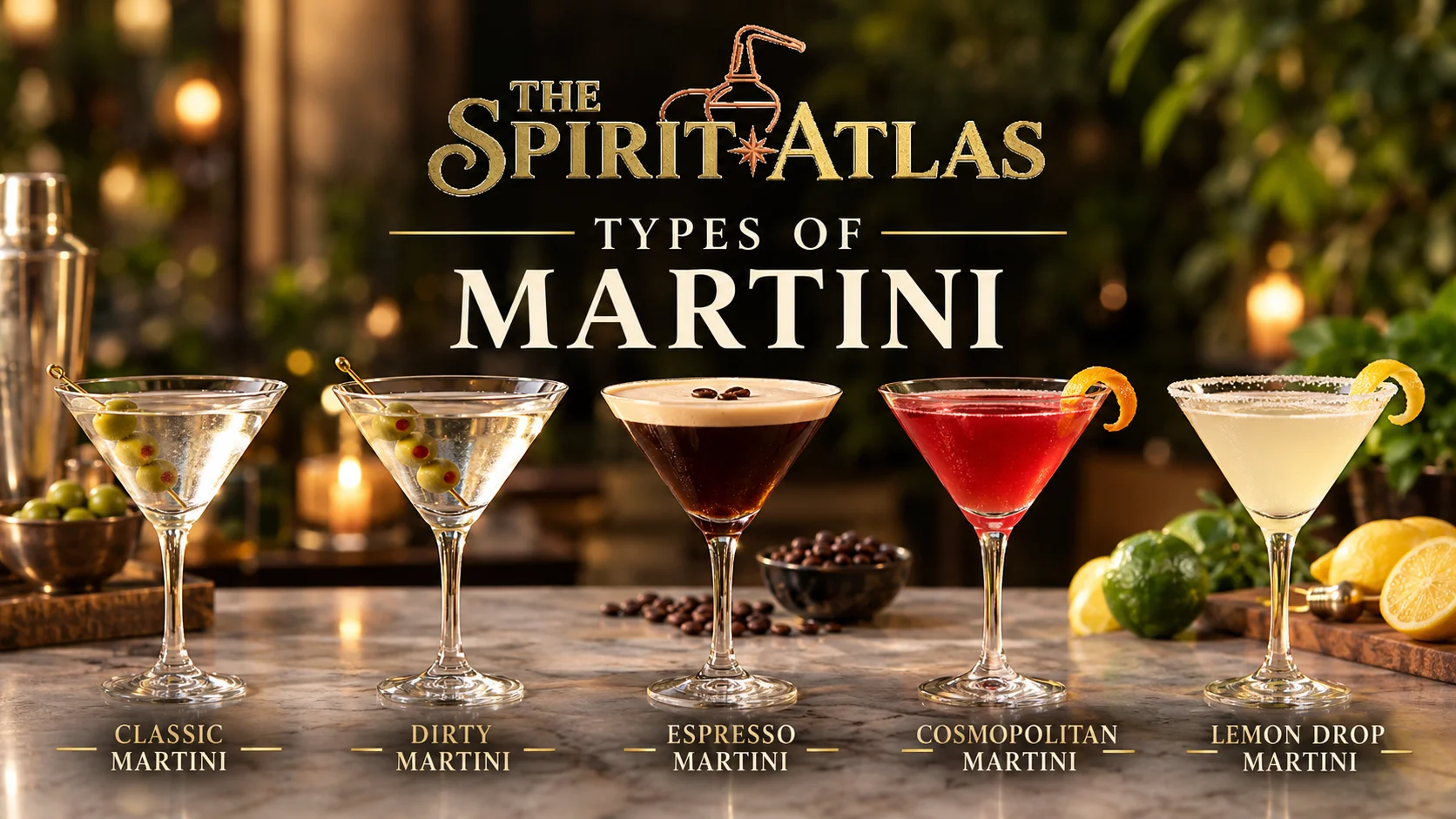
Types of Martini Explained: Dry, Dirty, Vodka, Espresso and More
Dry, wet, dirty, Gibson, Vesper, espresso: what each type of martini means, how it tastes, and how to order the one you want.
Read the guide
Simple Syrup Recipe: How to Make It for Cocktails (1:1 and 2:1)
Simple syrup is equal parts sugar and water. Here are the 1:1 and rich 2:1 ratios, the 5-minute method, how long it keeps, and how much goes into each cocktail.
Read the guide
Whiskey Sour Recipe: Classic, No-Egg & Egg White Versions
The complete whiskey sour recipe with the classic ratio, dry shake technique, and easy no-egg and egg white variations, plus the best whiskey to use.
Read the guide
Jagermeister Price in India 2026: 750ml, City-Wise Rates & Full Buying Guide
A full price breakdown of Jägermeister in India, from 60ml to 1 Litre, city by city, plus a look at the Orange, Manifest, Scharf, Spice and Cold Brew Coffee variants and why the same bottle costs different amounts depending on where you buy it.
Read the guideAn encyclopedia, not a store
The Spirit Atlas exists purely for knowledge. We document the history, production, tasting language and Indian market prices of the world's spirits — we don't sell alcohol, take orders, or encourage consumption. Think of us as a reference library for the curious.
For readers of legal drinking age · Please drink responsibly