Hugo Spritz Recipe
Prosecco, elderflower, mint and soda. The Alpine spritz.
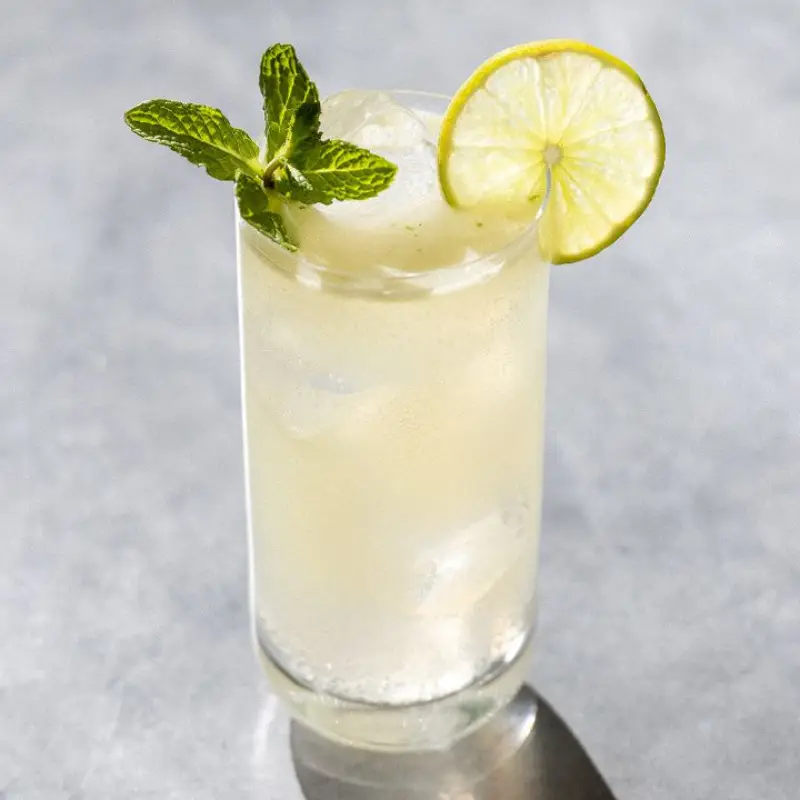
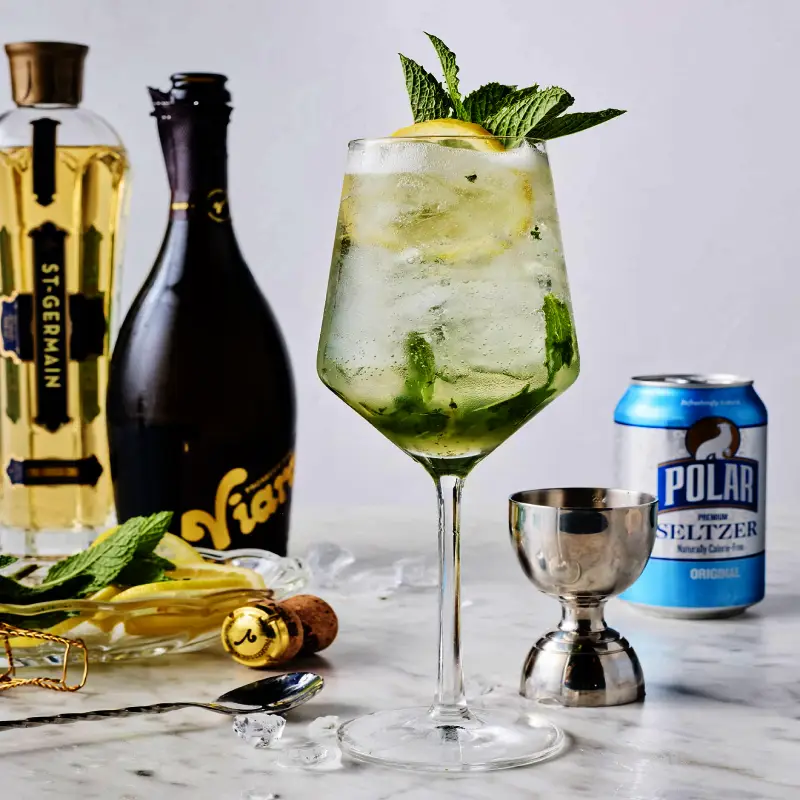
The Hugo Spritz is a light sparkling cocktail of prosecco, elderflower liqueur or syrup, fresh mint, lime and soda water. It is floral, fresh and lower in alcohol than most cocktails, and it is the main alternative to the Aperol Spritz on summer menus.
Ingredients
- 120 ml Prosecco Chilled
- 30 ml Elderflower liqueur Or 20ml elderflower syrup for a lighter drink
- 30 ml Soda water
- 8 leaves Fresh mint
- 1 wedge Lime Squeezed in
Garnish: Mint sprig and lime wheel
How to Make a Hugo Spritz
- Clap the mint leaves between your palms and drop them into a large wine glass.
- Add the elderflower liqueur and squeeze in the lime wedge.
- Fill the glass with ice.
- Pour in the prosecco and top with soda water.
- Stir gently and garnish with a mint sprig and a lime wheel.
Tips for a Better Hugo Spritz
- Do not muddle the mint. Clapping it releases the aroma without making the drink bitter.
- Elderflower liqueur makes a stronger, sweeter Hugo. Elderflower syrup or cordial is the Alpine original and keeps the alcohol lower.
- Use a dry prosecco to balance the sweetness of the elderflower.
About the Hugo Spritz
The Hugo is one of the few popular cocktails with a known, recent inventor. The bartender Roland Gruber created it in 2005 at the San Zeno wine bar in Naturno, in the Alpine region of South Tyrol in northern Italy, as an alternative to the Aperol Spritz. His first version used lemon balm syrup. Elderflower syrup replaced it because it was easier to buy.
The drink spread quickly across the border into Austria, Germany and Switzerland, where it became a standard summer order within a few years. The name has no special meaning. Gruber has said he simply picked it.
A second wave arrived in 2023, when the Hugo went viral on TikTok and elderflower liqueur brands promoted it in the United States, the United Kingdom and Australia. It now appears on most spritz menus next to the Aperol Spritz.
Hugo Spritz Variations
- Classic Alpine Hugo: 20ml of elderflower syrup in place of the liqueur.
- Gin Hugo: add 20ml of gin for a stronger drink.
- Hugo Rosé: rosé prosecco and a few raspberries.
- Virgin Hugo: elderflower cordial, mint, lime and soda water, with alcohol-free sparkling wine if you have it.
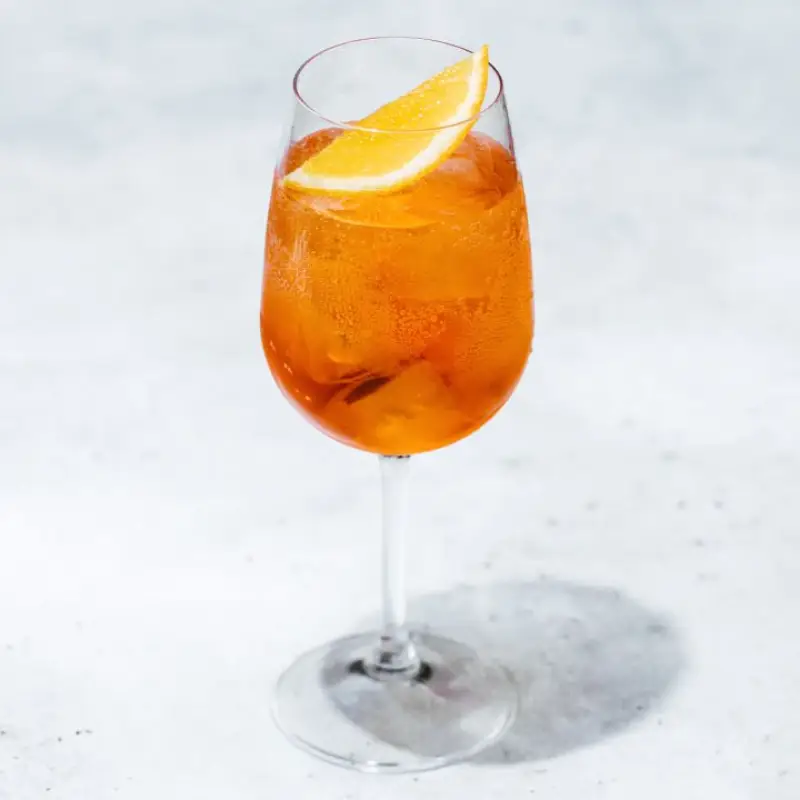
- Aperol Spritz: the bittersweet orange alternative.
Frequently Asked Questions
What is in a Hugo Spritz?
How strong is a Hugo Spritz?
What does a Hugo Spritz taste like?
What is the difference between a Hugo Spritz and an Aperol Spritz?
Should you use elderflower liqueur or elderflower syrup?
Who invented the Hugo Spritz?
About the Author

Quick Facts
More Cocktails