Aperol Spritz Recipe
Prosecco, Aperol and soda. The 3-2-1 Italian aperitivo.
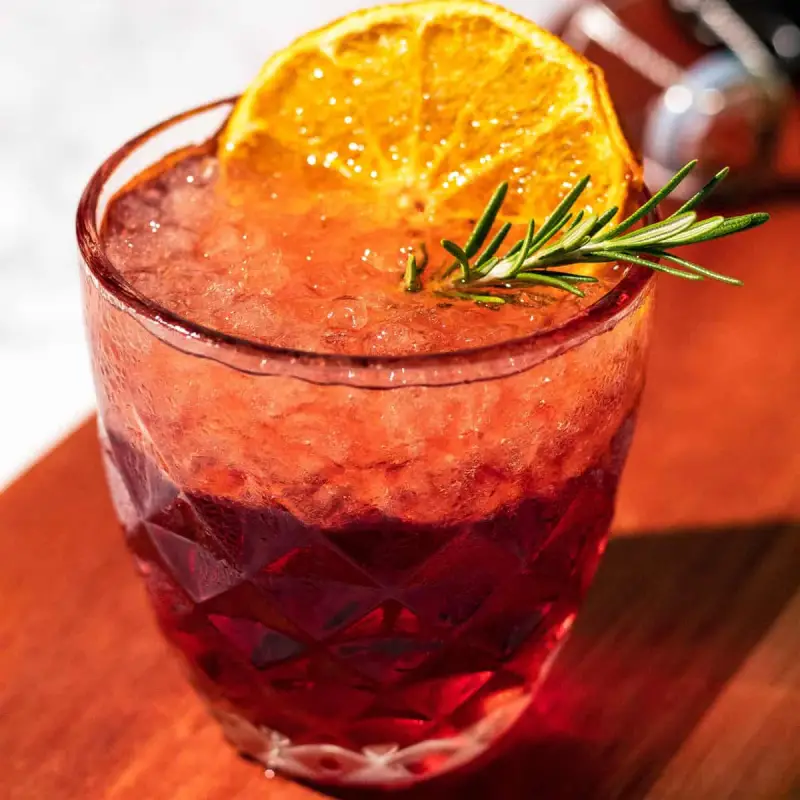
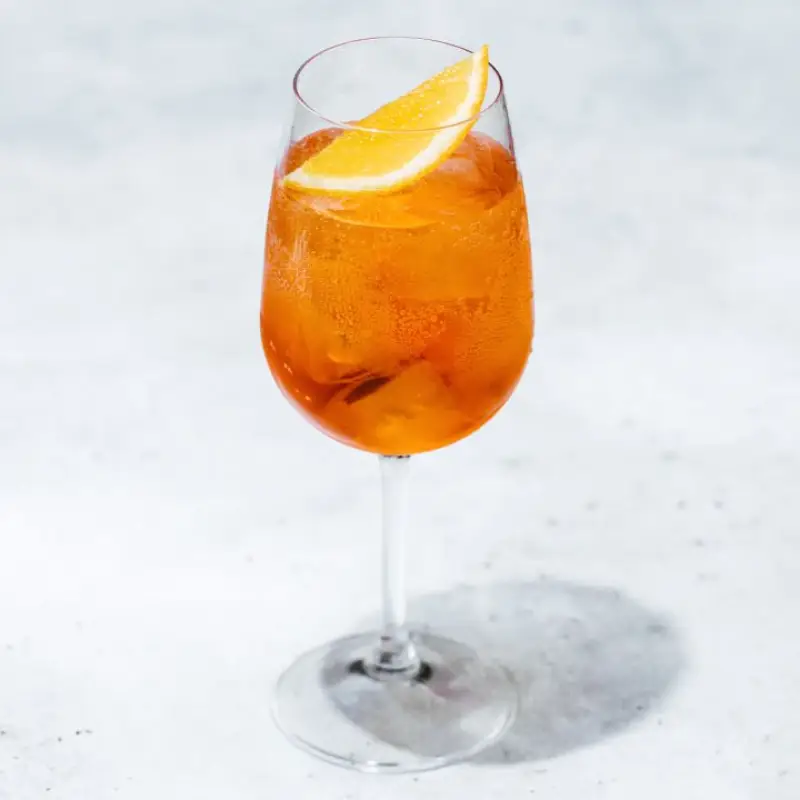
The Aperol Spritz is a low-alcohol Italian aperitivo made with 3 parts prosecco, 2 parts Aperol and 1 part soda water, served over ice with a slice of orange. It is bittersweet, lightly sparkling and one of the easiest cocktails to make and to drink.
Ingredients
- 90 ml Prosecco Chilled
- 60 ml Aperol
- 30 ml Soda water A splash
- 1 slice Orange For the garnish
Garnish: Orange slice
How to Make an Aperol Spritz
- Fill a large wine glass with ice.
- Pour in the prosecco.
- Add the Aperol, pouring in a circle so that it mixes without sinking.
- Top with a splash of soda water.
- Stir once, gently, and add a slice of orange.
Tips for a Better Aperol Spritz
- Pour the prosecco first. Aperol is heavier and sinks to the bottom if it goes in before the wine.
- Use a dry prosecco labelled brut or extra dry. Sweet sparkling wine makes the drink cloying.
- Fill the glass to the top with ice. More ice melts more slowly and keeps the drink fizzy.
About the Aperol Spritz
The spritz began in the Veneto region of northern Italy in the 1800s, when the area was part of the Austrian Empire. Austrian soldiers found the local wine too strong and asked for a splash of water, "spritzen" in German. Over time the still water became soda and a measure of bitter liqueur was added.
Aperol was created in Padua in 1919 by the brothers Luigi and Silvio Barbieri. It is flavoured with bitter and sweet orange, rhubarb and gentian and is bottled at just 11% ABV in most countries. The Aperol Spritz became a daily habit in Venice and Padua from the 1950s.
Campari Group bought the brand in 2003 and marketed the 3-2-1 recipe worldwide. It is now the best-known aperitivo cocktail in Europe and a summer standard in the United Kingdom, Germany, the United States and Australia. The IBA lists it as an official cocktail under the name Spritz.
Aperol Spritz Variations
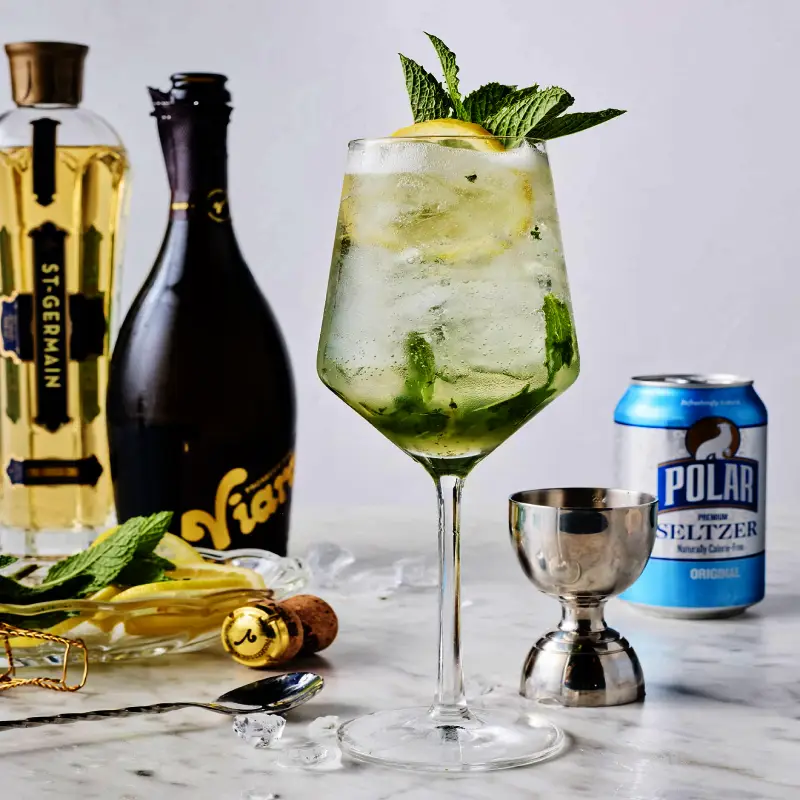
- Hugo Spritz: elderflower and mint in place of Aperol.
- Campari Spritz: Campari for a stronger, more bitter drink.
- Select Spritz: the Venetian original, made with Select aperitivo and a green olive.
- Limoncello Spritz: limoncello in place of Aperol, with a sprig of basil or mint.
- Negroni Sbagliato: Campari, sweet vermouth and prosecco.
Frequently Asked Questions
What is in an Aperol Spritz?
How strong is an Aperol Spritz?
What is the Aperol Spritz ratio?
What does an Aperol Spritz taste like?
What is the best prosecco for an Aperol Spritz?
What is the difference between Aperol and Campari?
About the Author

Quick Facts
More Cocktails