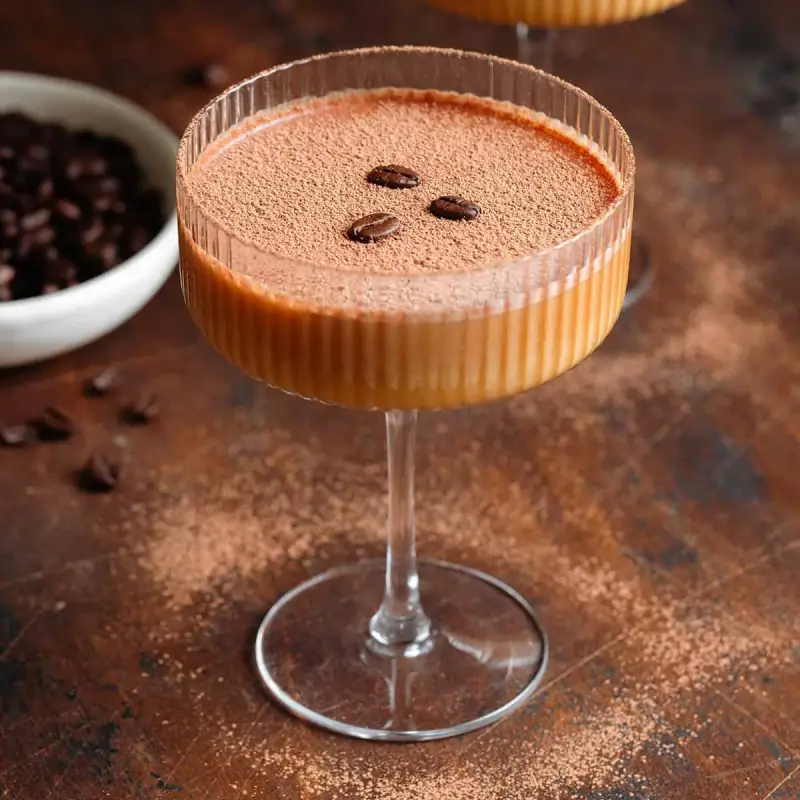
Espresso Martini Recipe
Vodka, coffee liqueur and fresh espresso, shaken until frothy.
The Espresso Martini lives or dies on the foam. Hot, fresh espresso and a hard shake build the crema that sits on top.
Ingredients
- 50 ml Vodka
- 10 ml Coffee liqueur
- 30 ml Fresh hot espresso One shot, freshly pulled
- 10 ml Sugar syrup
Garnish: Three coffee beans
How to Make an Espresso Martini
- Add all ingredients to a shaker with plenty of ice.
- Shake very hard for 15 seconds.
- Double strain into a chilled martini glass.
- Float three coffee beans on the foam.
Best Bottles for an Espresso Martini in India
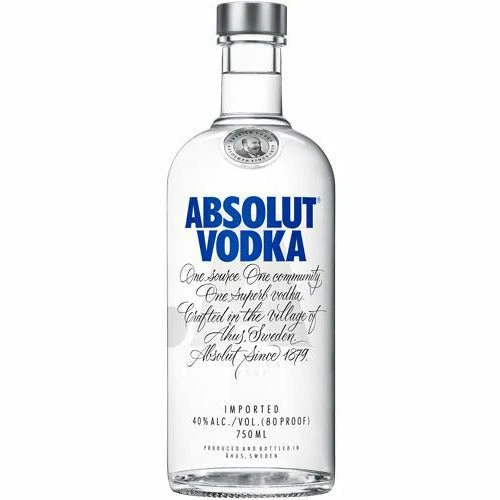
Neutral, lets coffee lead
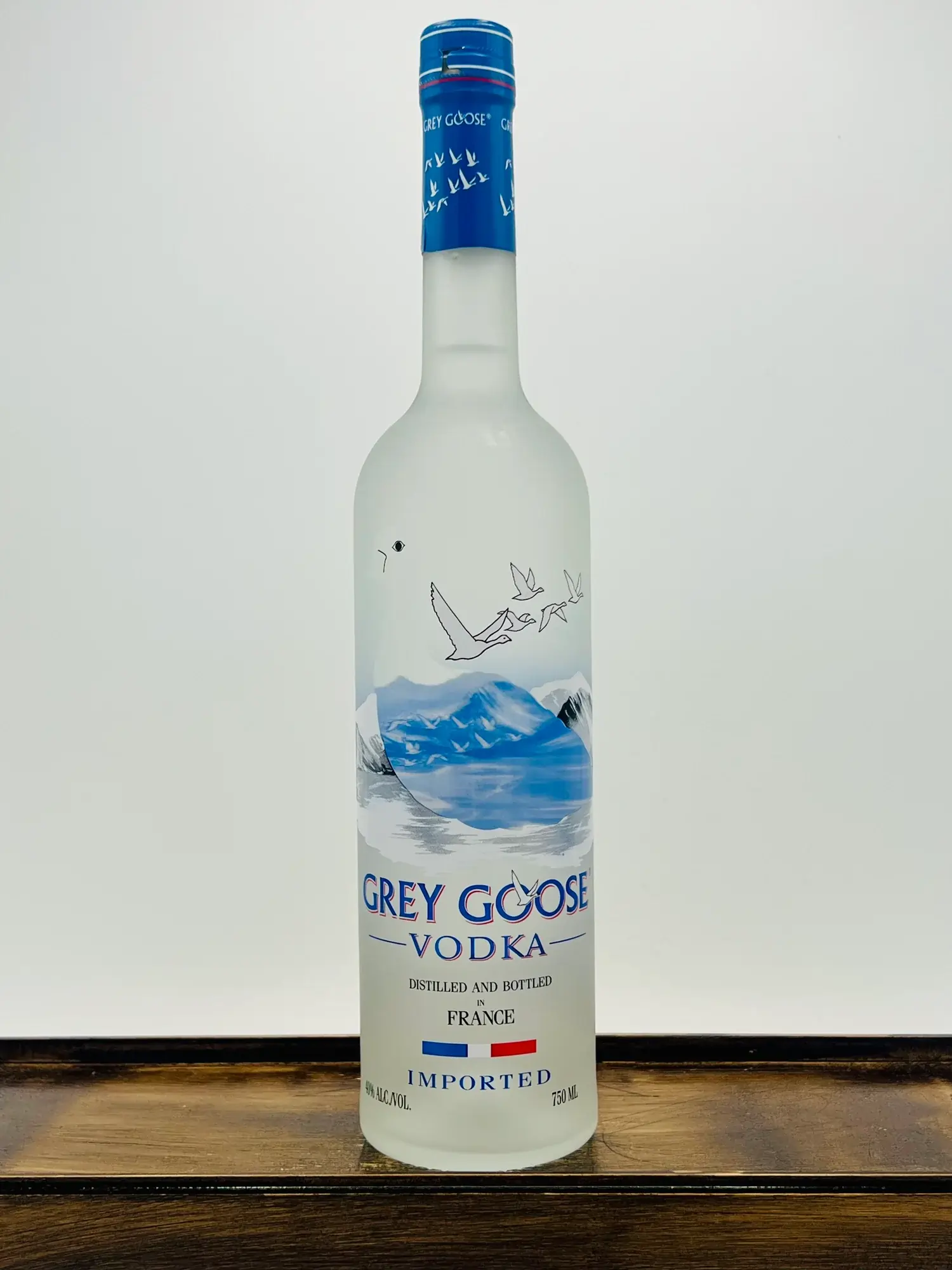
Silky texture
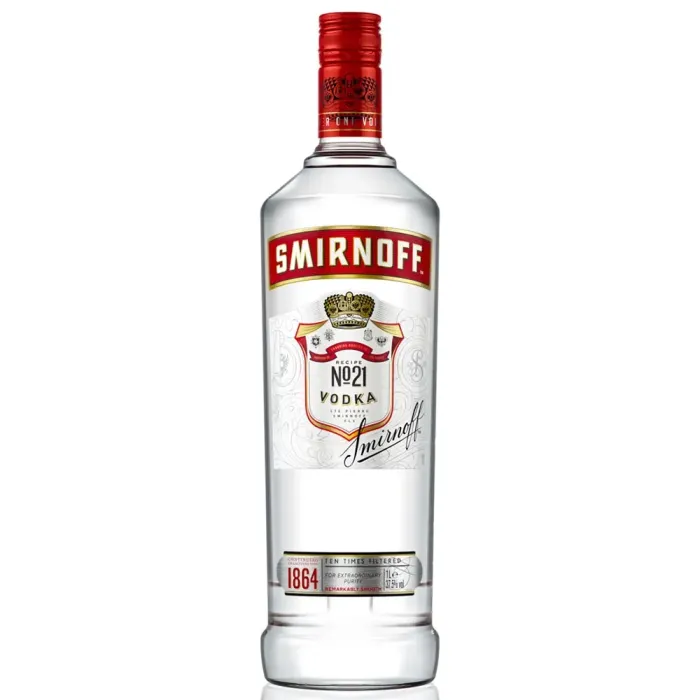
Fine for batches
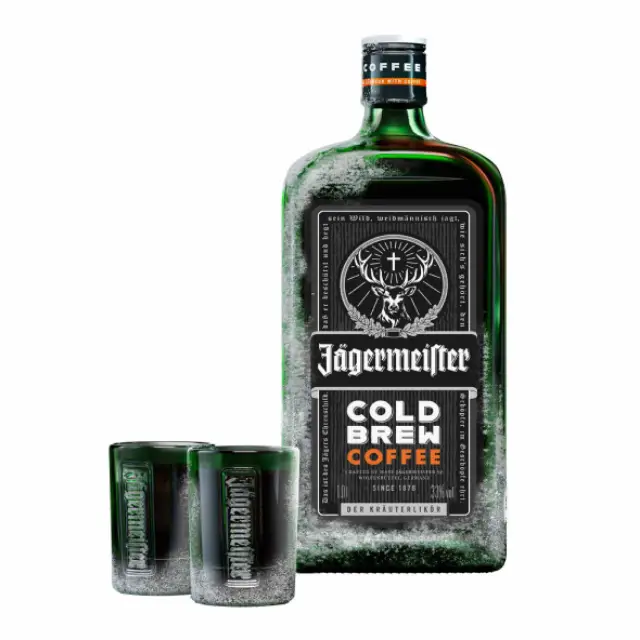
Use in place of the coffee liqueur
Prices are the lowest listed India price and vary by state. Check each spirit page for the full state-wise table.
Tips for a Better Espresso Martini
- Use espresso straight out of the machine. The heat and oils create the foam.
- Shake harder than feels reasonable.
- If you do not have an espresso machine, use a strong moka pot coffee, cooled for a minute.
About the Espresso Martini
The Espresso Martini was invented in London in 1983 by the bartender Dick Bradsell at the Soho Brasserie. By his own account, a young model asked for a drink that would wake her up and then get her drunk, although she put it less politely. The coffee machine sat next to his station, so he shook vodka with fresh espresso, coffee liqueur and sugar.
He first called it the Vodka Espresso and later the Pharmaceutical Stimulant, when he served it at the Pharmacy restaurant in Notting Hill in the late 1990s. The name Espresso Martini stuck because of the V-shaped glass. It contains no gin and no vermouth.
It is now one of the most ordered cocktails in the United Kingdom, the United States and, above all, Australia, where the country's coffee culture has made it something close to a national drink.
Espresso Martini Variations
- Tequila Espresso Martini: reposado tequila in place of vodka, with agave syrup.
- Carajillo: the Spanish and Mexican serve of espresso shaken with Licor 43.
- Salted Caramel Espresso Martini: caramel syrup in place of sugar syrup and a pinch of sea salt.
- Cold Brew Martini: 40ml of cold brew concentrate when you have no espresso machine.
- Jägermeister Cold Brew Martini: Jägermeister Cold Brew Coffee in place of the coffee liqueur.
Frequently Asked Questions
What is in an Espresso Martini?
How strong is an Espresso Martini?
How do you get foam on an Espresso Martini?
Can you make an Espresso Martini without an espresso machine?
Why are there three coffee beans on top?
How much caffeine is in an Espresso Martini?
About the Author

Quick Facts
More Cocktails