
Dry Martini Recipe
Gin and dry vermouth, stirred ice cold. Olive or twist.
The Dry Martini is gin and dry vermouth stirred with ice, strained into a chilled glass and garnished with an olive or a lemon twist. It is the strongest and simplest of the classic cocktails, and small changes in ratio, temperature and garnish change it completely.
Ingredients
- 60 ml London dry gin
- 10 ml Dry vermouth
- 1 dash Orange bitters (optional)
- 1 Green olive or lemon twist For the garnish
Garnish: Green olive or lemon twist
How to Make a Dry Martini
- Chill a martini glass or coupe in the freezer.
- Add the gin, dry vermouth and bitters to a mixing glass.
- Fill with ice and stir for 30 seconds until very cold.
- Strain into the chilled glass.
- Garnish with a green olive on a pick, or a lemon twist expressed over the top.
Best Bottles for a Dry Martini in India
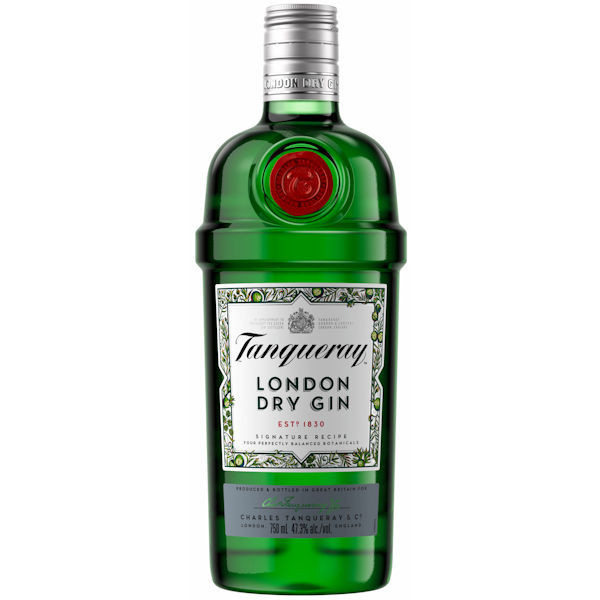
Juniper-led, the benchmark Martini gin
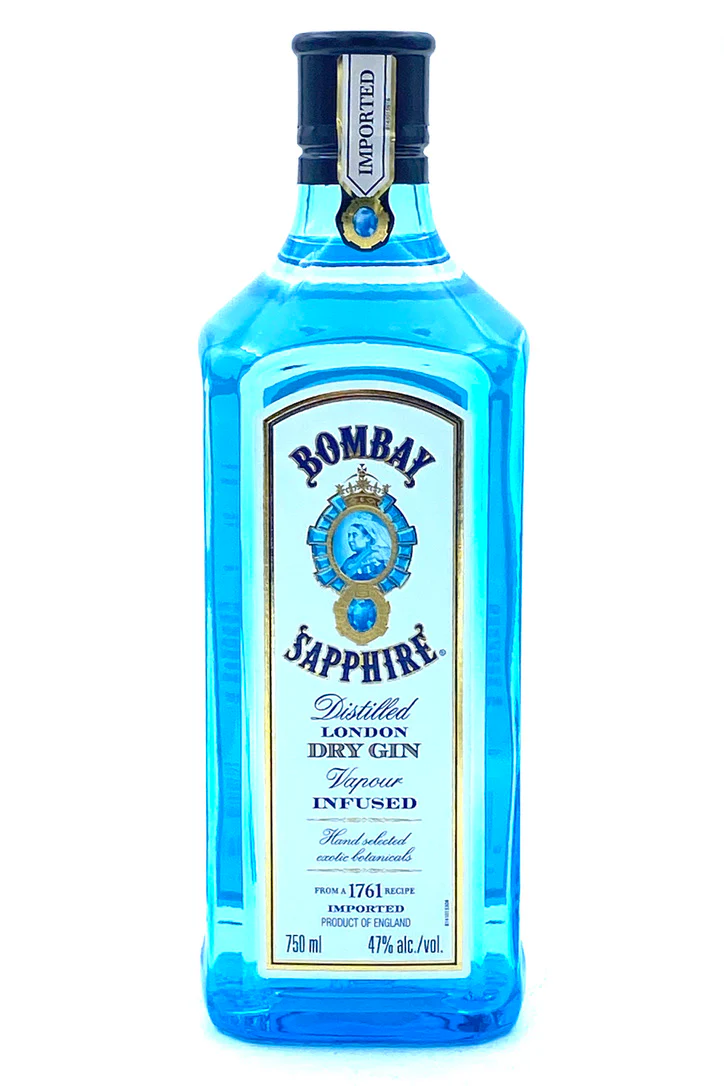
Lighter and more floral
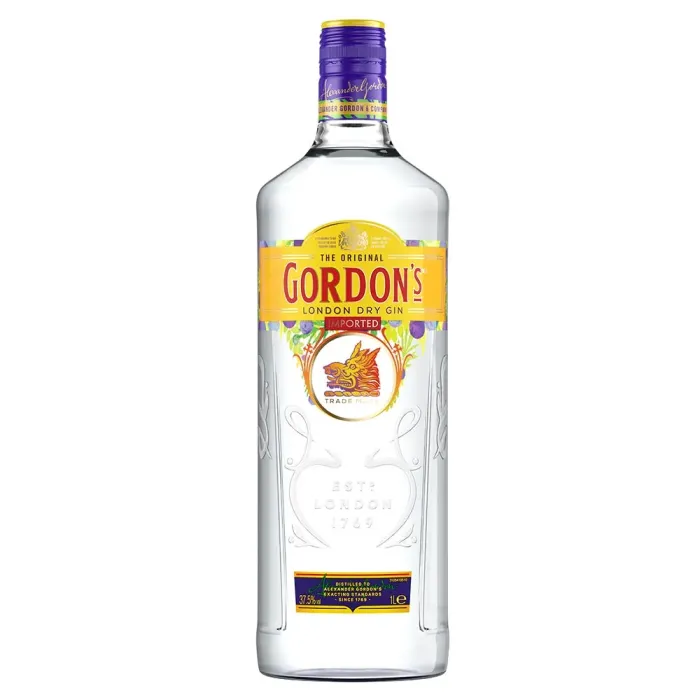
Classic juniper at a low price
Himalayan juniper for a bold, earthy Martini
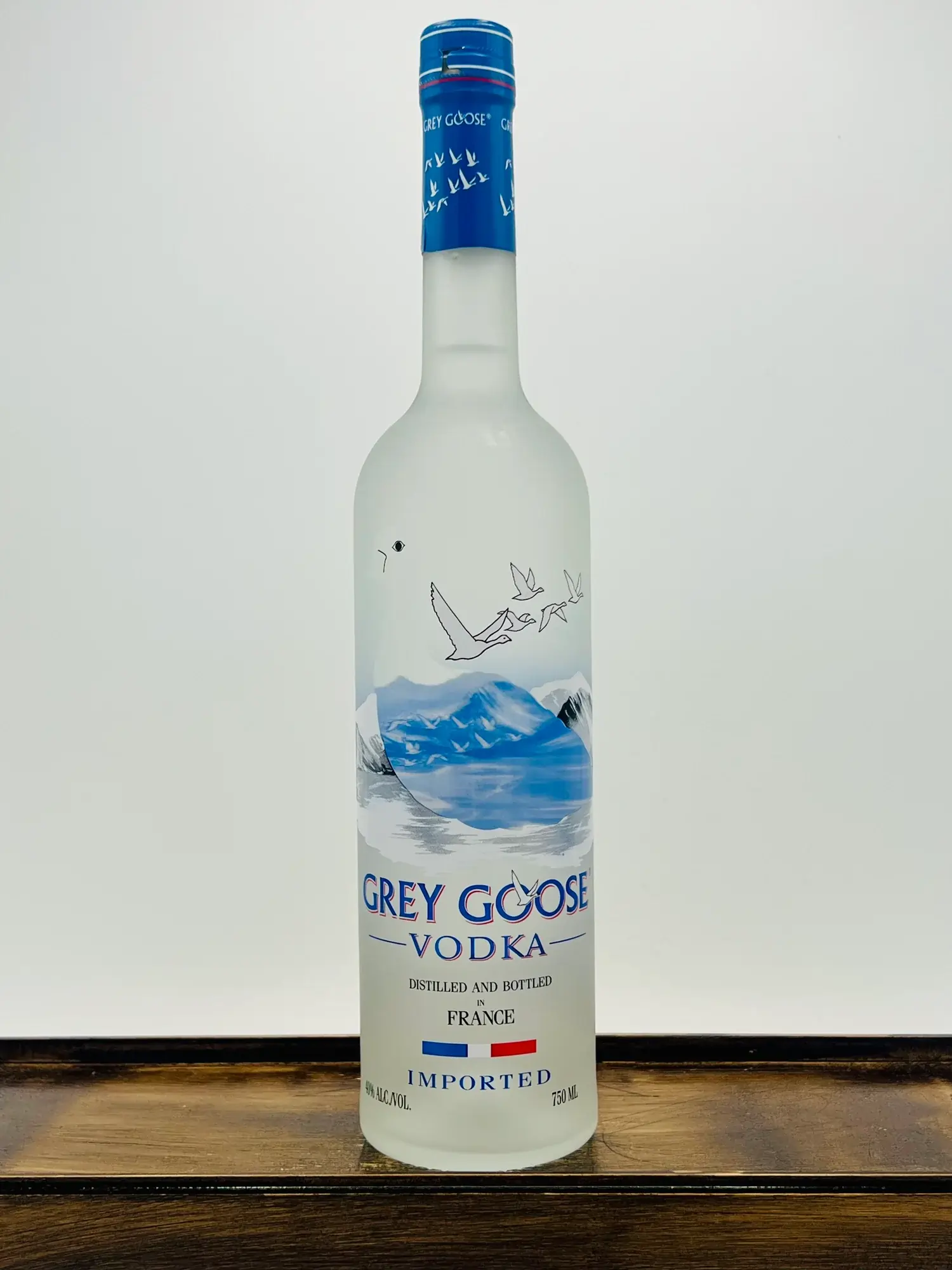
For a Vodka Martini
Prices are the lowest listed India price and vary by state. Check each spirit page for the full state-wise table.
Tips for a Better Dry Martini
- Cold is everything. Keep the glass in the freezer and stir for a full 30 seconds.
- Vermouth is a wine. Keep it in the fridge and replace it after about a month.
- Stir, do not shake. Shaking adds air and ice chips that cloud the drink and thin its texture.
About the Dry Martini
The Martini evolved in the United States in the late 1800s from the Martinez, a sweeter mix of Old Tom gin, sweet vermouth, maraschino and bitters. Two popular stories, that it was invented in Martinez, California, or by a bartender named Martini di Arma di Taggia at the Knickerbocker Hotel in New York around 1911, are both unproven. Recipes for a gin and vermouth "Martini" were already in print in the 1880s.
The drink grew drier with every decade. Early versions used equal parts gin and vermouth. By the 1950s a ratio of 5:1 or more was standard, and drinkers joked about merely glancing at the vermouth bottle. Vodka versions took over from the 1960s, helped by James Bond.
The Martini has returned strongly in the 2020s. Dirty Martinis, freezer Martinis and half-size "mini" Martinis are among the most visible bar trends in New York, London and Sydney.
Dry Martini Variations
- Dirty Martini: add 10 to 15ml of olive brine.
- Vodka Martini: vodka in place of gin.
- Wet Martini: a 3:1 ratio of gin to vermouth.
- 50-50 Martini: equal parts gin and dry vermouth with orange bitters.
- Gibson: a cocktail onion in place of the olive.
- Vesper: gin, vodka and Lillet Blanc, shaken, from Ian Fleming's Casino Royale.
Frequently Asked Questions
What is in a Dry Martini?
How strong is a Dry Martini?
What is the ratio for a Dry Martini?
Should a Martini be shaken or stirred?
What is a Dirty Martini?
Is a Martini made with gin or vodka?
What does dry mean in a Dry Martini?
About the Author

Quick Facts
More Cocktails