French 75 Recipe
Gin, lemon and sugar topped with champagne.
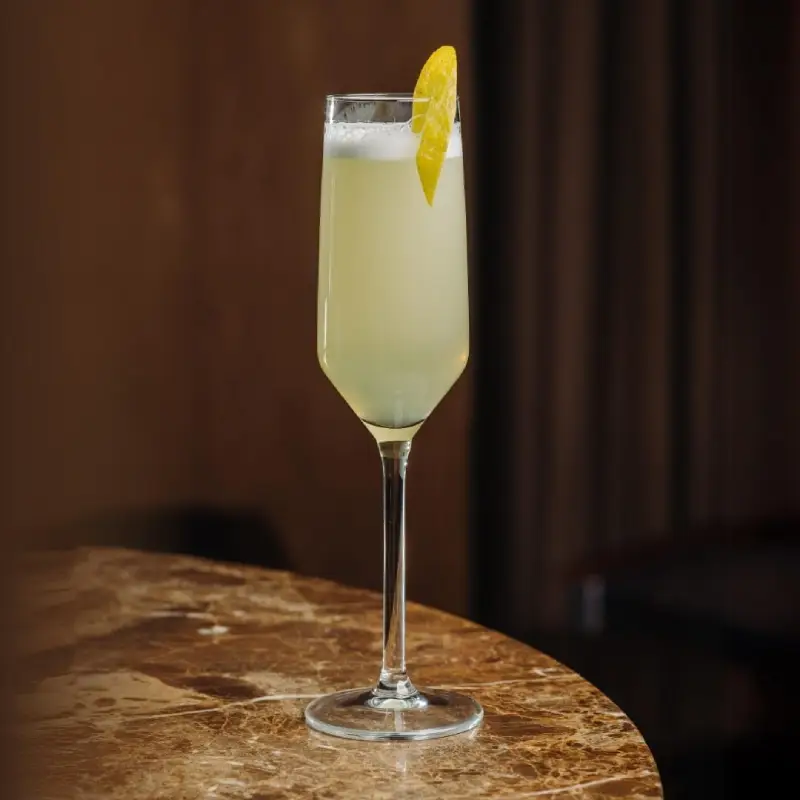
The French 75 is a sparkling cocktail of gin, fresh lemon juice and sugar syrup, shaken and topped with champagne. It is crisp, citrusy and stronger than it tastes, and it is the standard celebration cocktail for brunches, weddings and New Year's Eve.
Ingredients
- 30 ml Gin
- 15 ml Fresh lemon juice
- 10 ml Sugar syrup
- 60 ml Champagne Or another dry sparkling wine, chilled
- 1 strip Lemon peel For the garnish
Garnish: Lemon twist
How to Make a French 75
- Add the gin, lemon juice and sugar syrup to a shaker.
- Fill with ice and shake for 10 seconds.
- Strain into a champagne flute.
- Top slowly with chilled champagne.
- Garnish with a long lemon twist.
Best Bottles for a French 75 in India
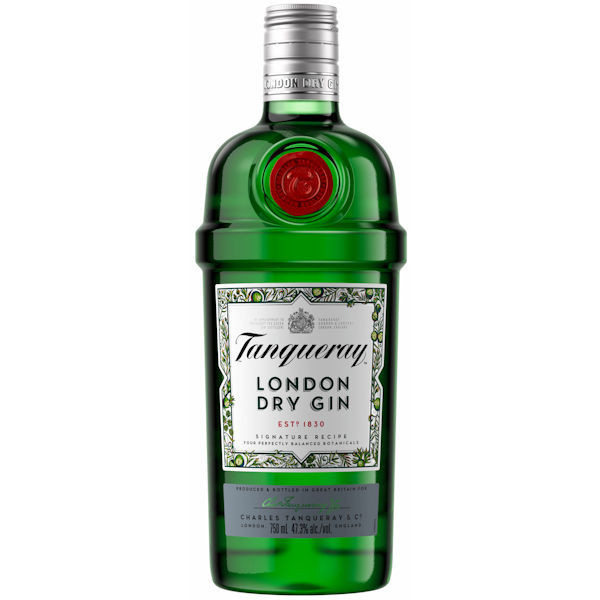
Firm juniper stands up to champagne
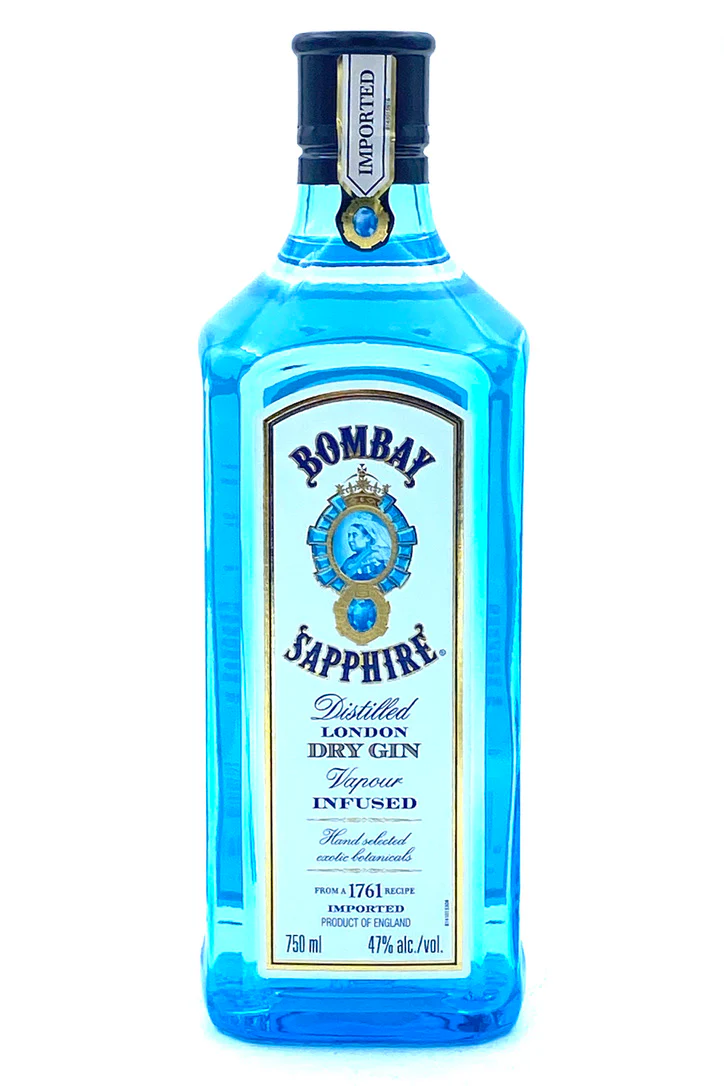
Lighter and more citrus-led
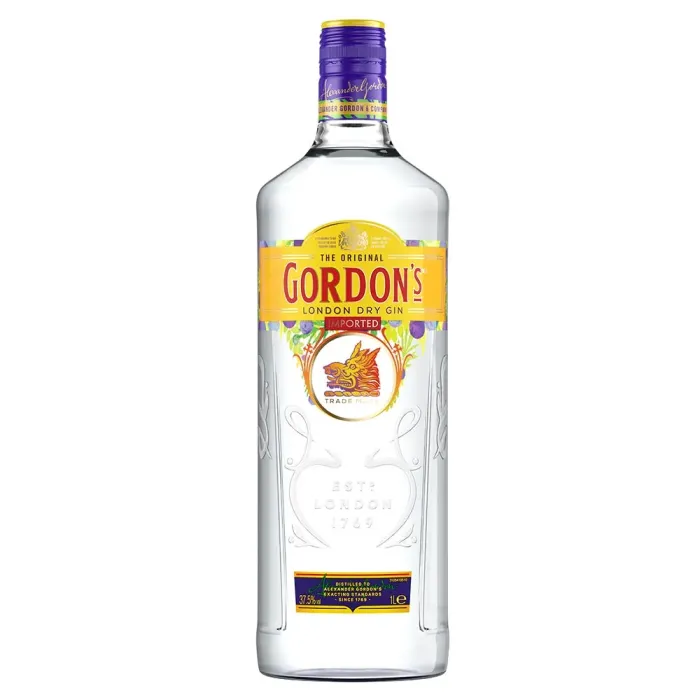
Good value for parties
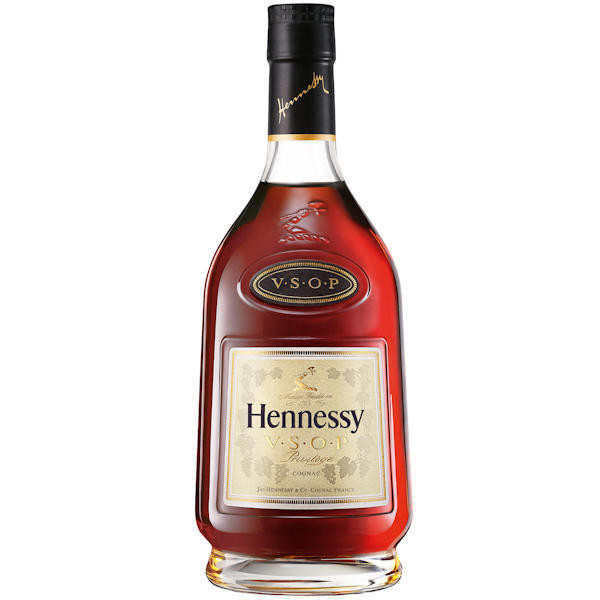
For the New Orleans cognac version
Prices are the lowest listed India price and vary by state. Check each spirit page for the full state-wise table.
Tips for a Better French 75
- Add the champagne last and pour slowly. It foams quickly over the citrus.
- Brut champagne, cava, crémant and dry prosecco all work. Avoid sweet sparkling wine.
- Chill the flute so that the drink stays cold without ice.
About the French 75
The drink is named after the French 75mm field gun of the First World War, a fast-firing artillery piece that became a symbol of the Allied effort. The joke was that the cocktail hit with the same force.
It is associated with Harry's New York Bar in Paris, where Harry MacElhone served an early version around 1915. Early recipes varied a great deal, and some used calvados or cognac. The formula of gin, lemon, sugar and champagne appeared in print in the late 1920s and reached a wide audience through The Savoy Cocktail Book in 1930.
There is still a split. In New Orleans, Arnaud's French 75 Bar makes it with cognac, and many bartenders prefer that version in winter. The gin version is the IBA official recipe and the one you will be served in most of Europe, the United States and Australia.
French 75 Variations
- Cognac French 75: cognac in place of gin, as served in New Orleans.
- French 76: vodka in place of gin.
- French 77: add 10ml of elderflower liqueur and reduce the sugar syrup.
- Old Cuban: aged rum, mint, lime and bitters topped with sparkling wine.
- Tom Collins: soda water in place of champagne, served tall over ice.
Frequently Asked Questions
What is in a French 75?
How strong is a French 75?
Why is it called a French 75?
Is a French 75 made with gin or cognac?
Do you have to use champagne?
What gin is best for a French 75?
About the Author

Quick Facts
More Cocktails